
By late 2025, the global semiconductor ecosystem is facing an unprecedented memory chip shortage, with far-reaching consequences for device manufacturers and end users alike. This imbalance is expected to persist well into 2027. DRAM prices have risen sharply as accelerating demand from AI-driven data centers continues to outpace available supply, creating sustained pressure across the supply chain.
IDC closely monitored the evolving memory market while preparing our November device forecasts, and these dynamics were incorporated into that update. However, conditions have intensified further since publication, prompting the need for additional perspective. While we are maintaining our official forecasts for now as the situation continues to unfold, it is important to highlight potential downside risks.
In this context, we outline two alternative downside risk scenarios that could significantly impact two critical markets: smartphones and personal computers. These scenarios reflect the growing severity of memory constraints and their potential to disrupt production, pricing, and overall market growth.
What’s causing the shortage?
The global memory market has reached an unprecedented inflection point, with demand materially outstripping supply. For an industry historically defined by cyclical boom-and-bust patterns, this moment represents a structural shift rather than a typical cycle. The rapid expansion of AI infrastructure and increasingly memory-intensive workloads is placing extraordinary strain on the memory ecosystem.
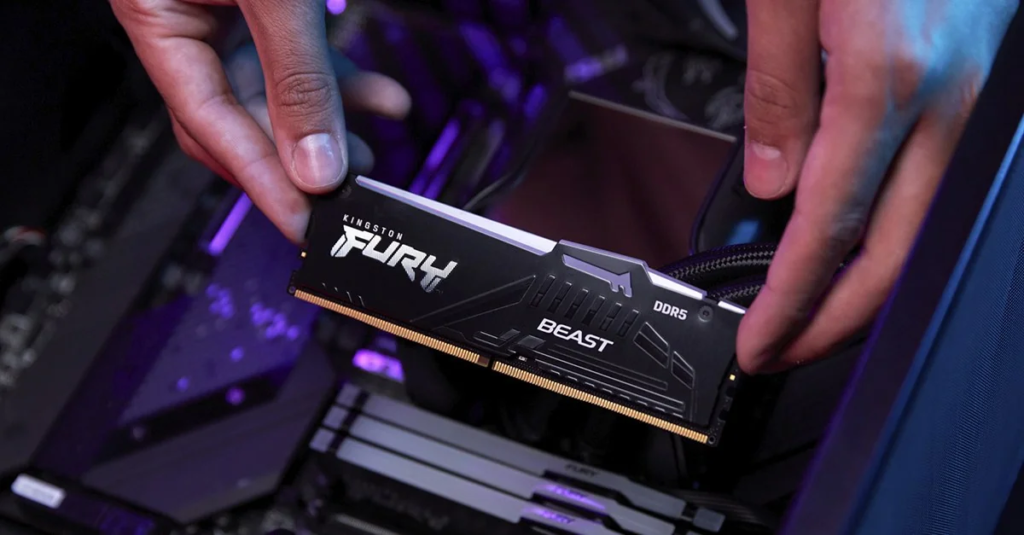
AI workloads require substantially higher memory capacity and performance, and the current shortage is being driven in part by a strategic reallocation of manufacturing capacity away from consumer electronics and toward higher-margin memory solutions optimized for AI. Rather than expanding production of conventional DRAM and NAND used in smartphones, PCs, and other consumer devices, leading memory manufacturers have redirected output toward AI-centric products such as high-bandwidth memory (HBM) and high-capacity DDR5. This shift has constrained the availability of general-purpose memory modules and driven price increases across the broader market.
AI servers and enterprise platforms consume significantly more memory per system than consumer devices, meaning the ongoing AI build-out is absorbing a disproportionate share of global memory capacity. Suppliers are prioritizing large-volume, high-margin orders from hyperscalers and OEMs building AI servers, leaving fewer DRAM allocations available for consumer electronics. This imbalance has intensified price pressure in an already constrained market.
Crucially, this is not merely a cyclical shortage caused by a temporary supply-demand mismatch. Instead, it reflects a potentially permanent, strategic reallocation of the world’s silicon wafer capacity. For decades, smartphones and PCs were the primary demand drivers for DRAM and NAND production. That paradigm has now inverted. Surging demand for HBM from hyperscalers such as Microsoft, Google, Meta, and Amazon has compelled the three largest memory suppliers—Samsung Electronics, SK Hynix, and Micron Technology—to redirect limited cleanroom capacity and capital expenditure toward higher-margin, enterprise-grade components.
This reallocation represents a zero-sum dynamic: every wafer dedicated to an HBM stack for an Nvidia GPU is a wafer no longer available for LPDDR5X in a mid-range smartphone or NAND storage in a consumer laptop. As a result, supply growth for mainstream memory products is expected to remain constrained.
IDC therefore anticipates that DRAM and NAND supply growth in 2026 will fall below historical norms, with year-on-year growth projected at approximately 16% for DRAM and 17% for NAND, respectively.
The Crisis in the Devices Market
As a result of this supply-demand imbalance, the impact is twofold: prices for DRAM and NAND/SSD have surged sharply in recent months, while component availability has tightened. This constrained supply environment is forcing device manufacturers to operate in an increasingly fluid and uncertain market.
The Potential Smartphone Market Impact
The global smartphone market—particularly Android OEMs—faces a growing threat in 2026 as prolonged memory constraints begin to undermine established industry trends. For more than a decade, manufacturers have steadily democratized smartphone specifications by bringing flagship-level features to increasingly affordable devices. That trajectory is now reversing.
Memory is a critical cost driver in smartphone manufacturing. In mid-range devices, memory typically accounts for 15–20% of the total bill of materials (BOM), while in high-end flagship models it represents approximately 10–15%. As DRAM and NAND prices continue to escalate, OEMs will be forced to make difficult trade-offs. These are likely to include meaningful price increases, reductions in memory configurations and overall specifications, or a combination of both.